
 302.500.0181
  410.829.6368
 Common Winter Pests to Look Out For
When temperatures drop in Delaware and Maryland, wildlife does not disappear. It moves. Animals that spent the warmer months foraging outdoors begin looking for somewhere warm, dry, and protected to wait out the winter, and your home offers exactly that. Here are the most common animals we remove from homes during the winter months and what to watch for.
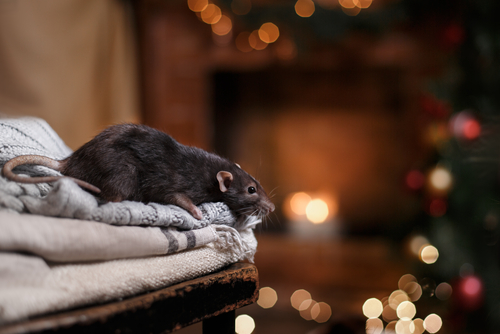
Mice and Rats
Rodents are the most common winter wildlife complaint we receive. Mice can compress their bodies to fit through a gap the size of a dime, and rats can squeeze through an opening the size of a quarter. Once inside, they move through wall voids, under flooring, and into attic spaces, often without being seen for weeks.
Signs of a rodent problem include:
- Droppings along baseboards, in cabinets, or near food storage areas
- Gnaw marks on wood, wiring, or food packaging
- Scratching or scurrying sounds inside walls, especially at night
- Grease marks along baseboards from rodents repeatedly traveling the same route
- Nesting material made of shredded paper, fabric, or insulation
The health risks from rodents go beyond the obvious. Mice and rats can contaminate food and surfaces with bacteria from their droppings and urine. They are also a significant fire risk: rodents chew through electrical wiring, and gnawed wiring in a wall void or attic is a leading cause of house fires.
Common winter entry points include gaps around utility lines entering the foundation, spaces under garage doors, and openings around pipe penetrations. Sealing these entry points is the first step, but an active infestation requires professional removal to fully resolve.
Squirrels
Squirrels do not hibernate. They remain active through winter and will actively seek out attic spaces as nesting sites when outdoor temperatures drop. They enter through damaged soffits, roof vents, gaps at the roofline, and any opening they can chew to widen.
Once inside an attic, squirrels cause damage quickly. They chew through electrical wiring, tear apart insulation for nesting material, and can compromise the structural integrity of wood framing over time. They are also noisy, and most homeowners first notice them from scratching and scurrying sounds in the ceiling during the day, since squirrels are diurnal.
A common mistake is assuming a squirrel got in by accident and will find its way out. Squirrels that locate a warm attic in winter will stay and nest. The longer the situation goes unaddressed, the more damage accumulates.
Bats
Bats in Delaware and Maryland do not fully migrate in winter. Instead, they enter a state called torpor, a deep, energy-conserving rest, typically in warm, stable environments like attics and wall voids. This means a bat colony that moved into your attic in fall may be hibernating there through winter without making much noise or showing obvious signs.
The risk with hibernating bats is twofold. First, if you disturb a hibernating colony, bats that are awakened in winter have nowhere to go and may enter the living space of the home. Second, bat exclusion cannot legally be performed during the summer maternity season, but winter is an appropriate time for exclusion work if done carefully by a licensed professional.
If you find bats in your living space during winter, do not handle them. Call us for safe removal and an assessment of how the colony is entering.
Raccoons
Raccoons are opportunistic and adaptable year-round, but winter drives them to seek more reliable shelter. Attics and chimneys are their preferred targets. Raccoons are strong enough to tear open damaged soffits, lift unsecured vent covers, and pull back shingles to create entry points where none existed before.
A raccoon in your attic is not a minor inconvenience. They are large animals that produce significant waste, tear apart insulation for bedding, and can cause thousands of dollars in structural damage. Raccoon droppings also carry Baylisascaris, a roundworm parasite that is dangerous to humans and pets, and their urine can saturate insulation and subfloor material, creating persistent odor problems that require remediation.
Signs of raccoon activity include heavy thumping or rolling sounds in the attic at night, visible damage to soffits or roofing, and overturned trash cans outside.
Contact Bay Area Wildlife Solutions
If you are dealing with any of these animals in your Delaware or Maryland home this winter, Bay Area Wildlife Solutions provides professional, humane removal throughout Sussex County, Kent County, and the Eastern Shore of Maryland. We also offer exclusion services to seal entry points and prevent the problem from returning next season.
Call us at (302) 500-0181 or contact us online to schedule an inspection. We offer 24/7 emergency service.